Application of Antistatic Masterbatches in Heat-Sealable Films
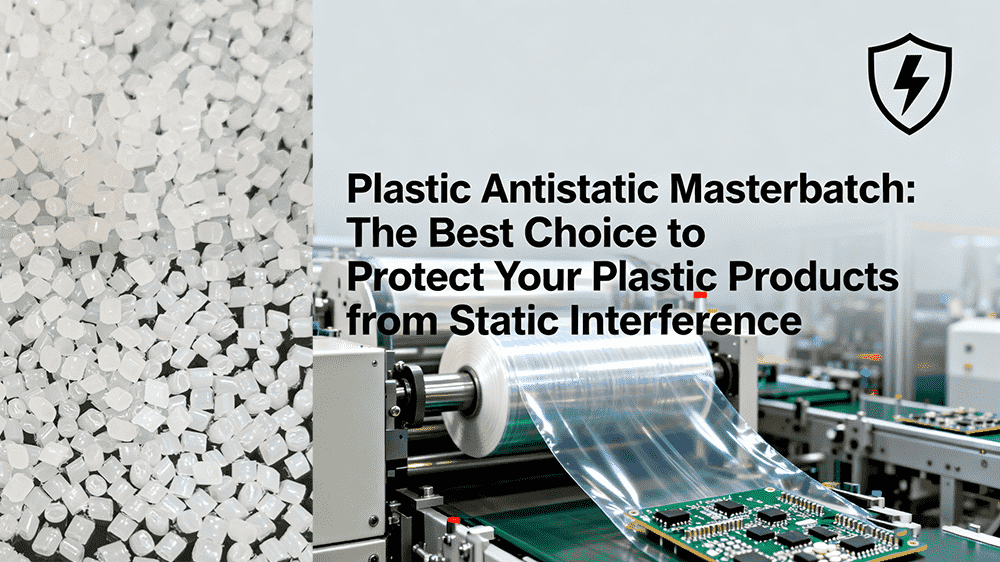
Heat-sealable films, with their excellent heat-sealability, flexibility, and processability, are widely used in food packaging, electronic component encapsulation, and other fields, becoming one of the core materials in the packaging industry. However, during production, transportation, and use, these films are prone to electrostatic accumulation due to friction and peeling—this not only causes the films to adsorb dust and paper scraps, affecting product appearance and cleanliness, but more importantly, may trigger electrostatic discharge (ESD) in electronic component packaging scenarios, damaging sensitive components and resulting in significant economic losses. The emergence of antistatic masterbatches provides an efficient and convenient solution to this problem: through melt blending with heat-sealable films, they can endow the films with long-lasting and stable antistatic properties.
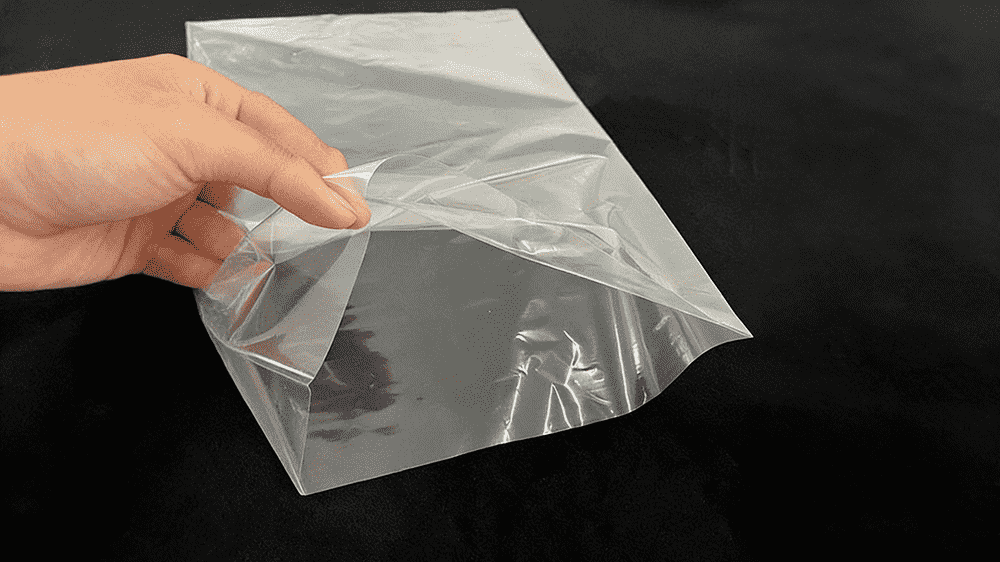
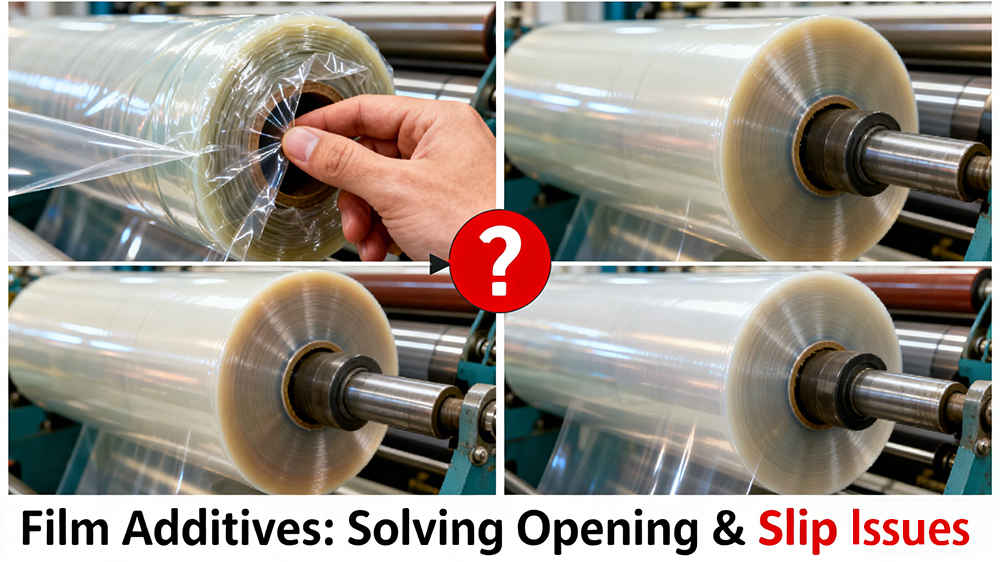
Heat-sealable films are functional films made primarily from polyethylene (PE) resins (such as LDPE, LLDPE, EVA, etc.). Their core advantage is the ability to quickly achieve interfacial adhesion when heated, while also possessing good flexibility, barrier properties, and processability. Therefore, they are widely used in food preservation packaging, electronic device protective encapsulation, daily chemical product packaging, and other scenarios—especially suitable for packaging needs that require sealed storage or repeated opening and closing.
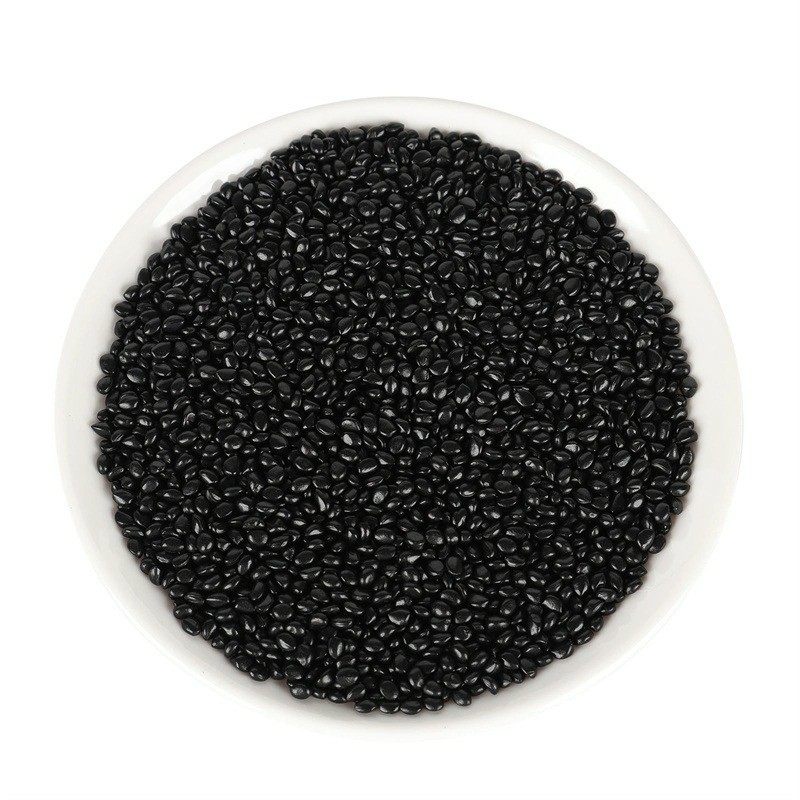
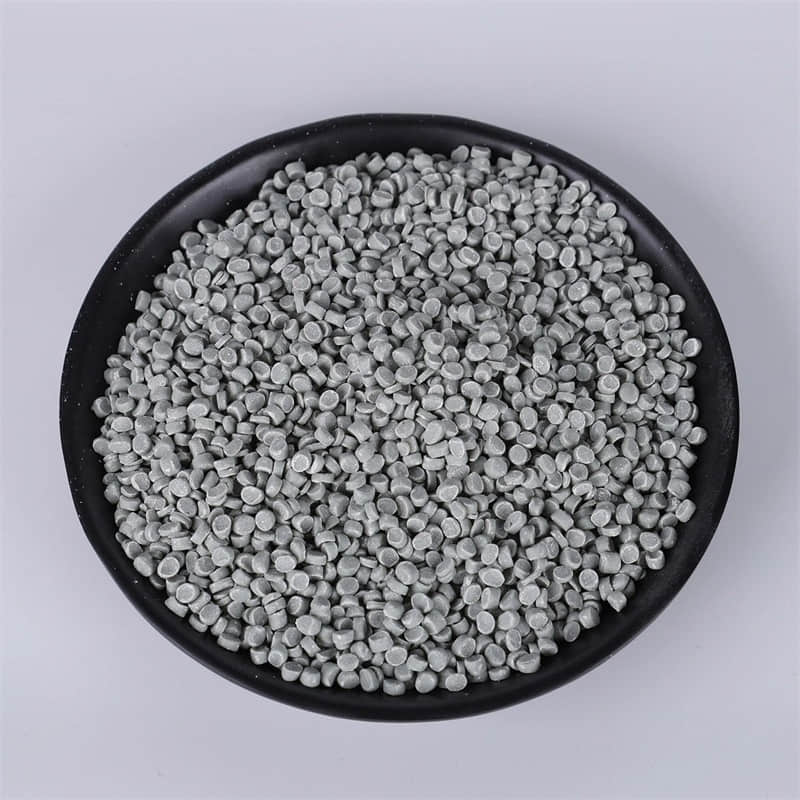
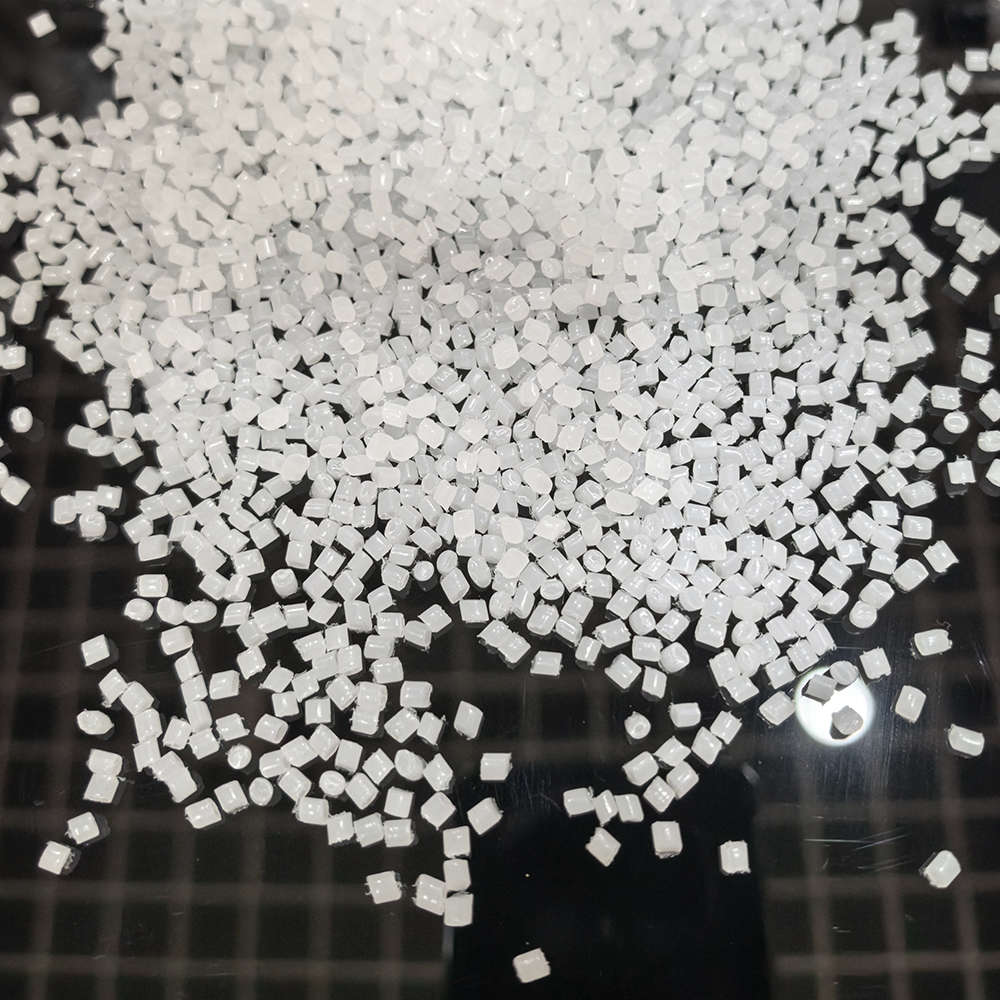
Heat-sealable film-grade antistatic masterbatch is a functional additive customized for heat-sealable films. It is made by mixing and granulating high-efficiency antistatic agents, carrier resins compatible with PE substrates, and special auxiliary additives. Its core function is to disperse uniformly with the base resin during film production, inhibiting electrostatic accumulation at the source by forming conductive pathways or reducing the film’s surface resistance. Compared with traditional topical antistatic agents, this type of masterbatch has two prominent advantages: first, it is non-exudative and non-migratory, providing long-lasting antistatic effects; second, it has minimal impact on the transparency of heat-sealable films, retaining the original appearance characteristics of the film to the greatest extent.
The core substrate of heat-sealable films, PE (polyethylene), is a natural insulator, acting like an "insulating barrier." This makes the film prone to generating static electricity that is difficult to dissipate during production (due to mutual friction), transportation (due to contact and separation), and use in low-temperature dry environments. Mild static electricity can cause the film to attract dust and stick together, affecting production efficiency and product appearance; in high-end fields such as electronics and pharmaceuticals, electrostatic discharge may even damage chips, interfere with equipment operation, or even trigger safety hazards like dust explosions. Therefore, antistatic treatment of heat-sealable films is crucial. Adding antistatic masterbatches during the film-forming stage allows antistatic components to distribute uniformly inside the film, forming a stable conductive network that enables rapid conduction and dissipation of static electricity, fundamentally solving static electricity problems.
The application of antistatic masterbatches must be precisely matched with the production process of heat-sealable films (such as blown film extrusion and cast film extrusion). By reasonably controlling the addition ratio and processing parameters, the antistatic effect can be ensured without affecting the core performance of the film.
The addition ratio needs to be flexibly adjusted according to the target antistatic standards and the specific characteristics of the heat-sealable film substrate. For PE-based heat-sealable films, the conventional addition ratio of antistatic masterbatches is between 8% and 15%, which can be fine-tuned according to the actual required antistatic level.
Heat-sealable film production mainly uses blown film extrusion, with processing temperatures typically ranging from 150°C to 180°C. It is necessary to ensure that the melting temperature of the antistatic masterbatch is consistent with that of the PE substrate to achieve uniform mixing. In addition, pre-drying treatment of the antistatic masterbatch is recommended: depending on the material properties and hygroscopicity of the masterbatch, a drying temperature of 50-80°C for 2-4 hours can effectively prevent defects such as uneven crystallization and delamination in the film. Meanwhile, the screw speed must be adapted to the dispersion requirements of the masterbatch, generally controlled between 30-60 rpm, to ensure uniform distribution of antistatic components in the film and avoid local performance differences.
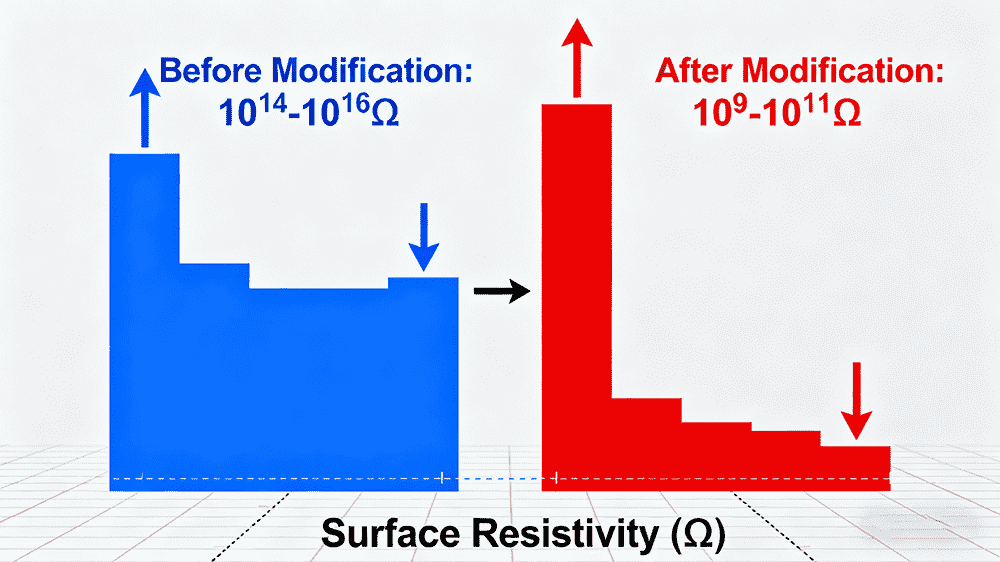
After modification with Xinyu antistatic masterbatches, the surface resistivity of heat-sealable films can be significantly reduced from 10¹⁴-10¹⁶Ω (before modification) to 10⁹-10¹¹Ω, fully meeting the core requirements of various antistatic packaging and effectively solving problems caused by electrostatic accumulation.
Within a reasonable addition range (≤5%), Xinyu antistatic masterbatches have minimal impact on the tensile strength and elongation at break of heat-sealable films—after modification, the tensile strength of the film can be maintained at 15-20 MPa, and the elongation at break is ≥300%, fully meeting the requirements of conventional packaging scenarios. However, if the addition ratio is excessive (e.g., exceeding 10%), the compatibility between the antistatic agent and the PE substrate may be reduced, leading to a 10%-15% decrease in the mechanical properties of the film. Therefore, the addition amount must be strictly controlled.
Heat-seal strength is a core indicator of heat-sealable films. Xinyu antistatic masterbatches are formulated with full consideration of compatibility with PE substrates: hydrophilic antistatic masterbatches, when added at a ratio of ≤8%, can maintain a heat-seal strength of 2.5-3.0 N/15mm for the film; although carbon-based antistatic masterbatches may cause a slight decrease in heat-seal strength (approximately 2.0-2.5 N/15mm) due to particle dispersion characteristics, they still fully meet industry standards and do not affect the sealing effect of the packaging.
As a core functional additive for heat-sealable films, antistatic masterbatches can fundamentally solve static electricity problems and significantly expand the application scenarios of heat-sealable films in high-end packaging fields. Xinyu, as a professional supplier of antistatic masterbatches, has deeply engaged in the industry for many years, accumulating rich technical experience and customer reputation. Its core advantages are reflected in the following aspects:
Customization Capability: Can customize exclusive antistatic masterbatch formulas according to customers’ application scenarios (such as humidity conditions, antistatic level) and film transparency requirements, precisely matching needs.
End-to-End Technical Support: Provides one-stop process guidance from formula selection, addition ratio optimization to processing parameter adjustment, helping customers quickly implement production and reduce trial-and-error costs.
Product Stability: Xinyu antistatic masterbatches use high-quality raw materials and advanced dispersion technology to ensure strong batch consistency, non-migration, non-exudation, and strict compliance with international standards such as FDA and EU regulations, suitable for high-end scenarios such as food and electronics.
Continuous Technological Innovation: Focuses on the research and development of composite antistatic systems and the upgrading of dispersion technologies, continuously optimizing product performance to help heat-sealable films achieve breakthroughs in more high-end fields.
If you are facing static electricity problems with heat-sealable films or need antistatic solutions for specific scenarios, please feel free to contact Xinyu. Our technical team will provide professional consulting services and customize cost-effective solutions according to your actual needs, helping your products enhance competitiveness. Choose Xinyu, and make the production of antistatic heat-sealable films more efficient and stable!