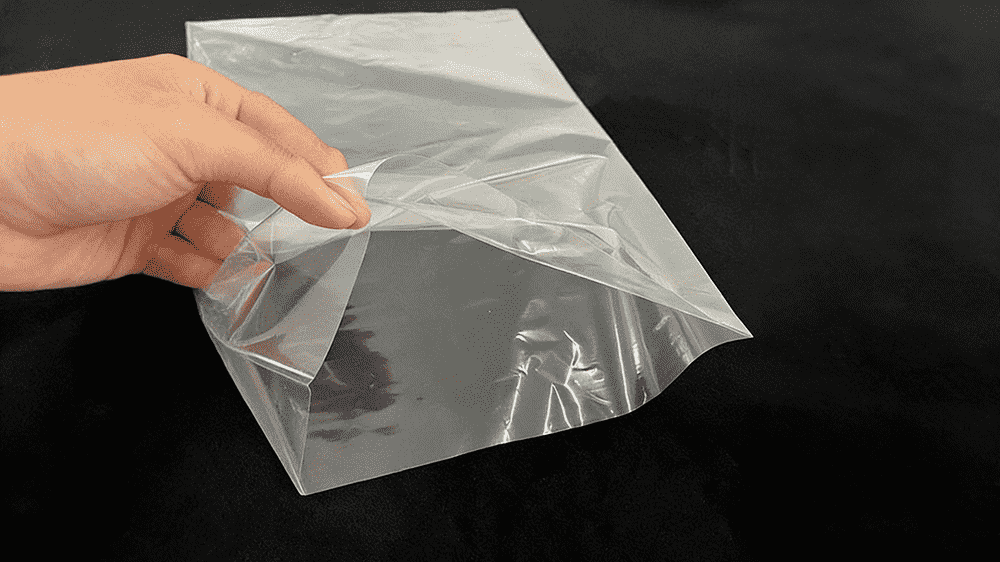
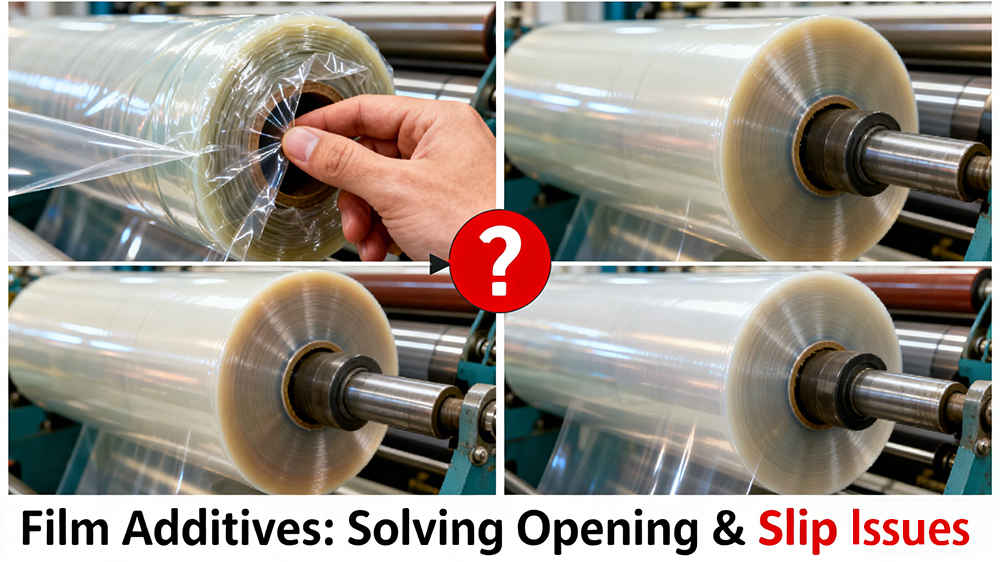
Two issues have long plagued film manufacturers: the adhesion between plastic films, and the impact of migration on the heat-sealing and printing properties of films. A common solution is to add opening and slipping
masterbatch; for films requiring heat-sealing and printing, non-migratory anti-blocking masterbatch with a low coefficient of friction can be selected. But what exactly is an opening and slipping masterbatch? And what addition ratio can prevent blooming?
When you enter the keywords "opening masterbatch" or "slipping masterbatch" in a browser, among the numerous searched websites, roughly half promote anti-blocking masterbatch, while the other half promote slip masterbatch. In other words, many suppliers intentionally blur the distinction between opening masterbatch and slipping masterbatch.
First, it is necessary to understand the causes of film adhesion. Openability and slip properties are two frequently mentioned indicators in the flexible composite packaging industry. Openability refers to the ease of opening the bag mouth when filling contents into processed packaging bags (such as three-side sealed bags, center-sealed bags). Slip property refers to the smoothness of flexible composite packaging materials when passing through automatic packaging machines.
Plastic films may adhere under the action of temperature and pressure, and may also adhere during processing, use, or storage. Almost all adhesion is caused by one of the following two situations:
Extremely smooth film surfaces that are in close contact and almost completely isolate air.
Pressure or temperature (or both) causing the contact surfaces of the films to melt and stick.
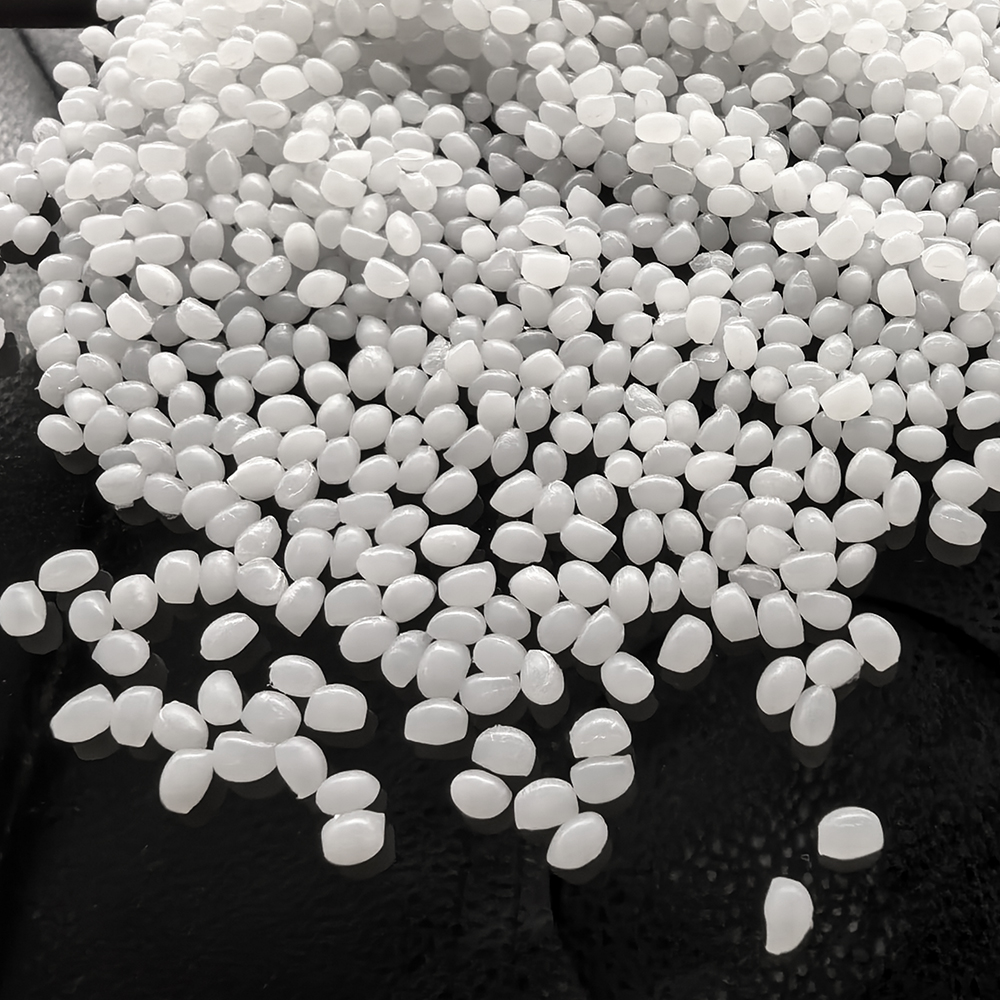
The role of an opening masterbatch is to transform the originally extremely smooth film surface into an uneven one. After this treatment, when two pieces of film are close to each other, they cannot be in close contact with each other, thereby eliminating the possibility of adhesion. Opening masterbatch is usually made of inorganic substances, such as silicon dioxide.
The role of a slipping masterbatch is to "coat" a layer of lubricating oil on the surface of smooth plastic films, reducing their surface coefficient of friction to the required level or value. Slipping masterbatch is usually made of organic substances, such as oleic acid amide and erucic acid amide. The working principles of these two additives are completely different.
In practice, after adding an opening masterbatch, while improving openability, the coefficient of friction between films does decrease to a certain extent; under specific environmental conditions, after adding a sufficient amount of slipping masterbatch, the openability of films does improve. Therefore, people often confuse the difference between opening masterbatch and slipping masterbatch, ignoring the problems caused by incorrect material selection, which makes it impossible to correctly identify the causes of product defects.
Conclusion
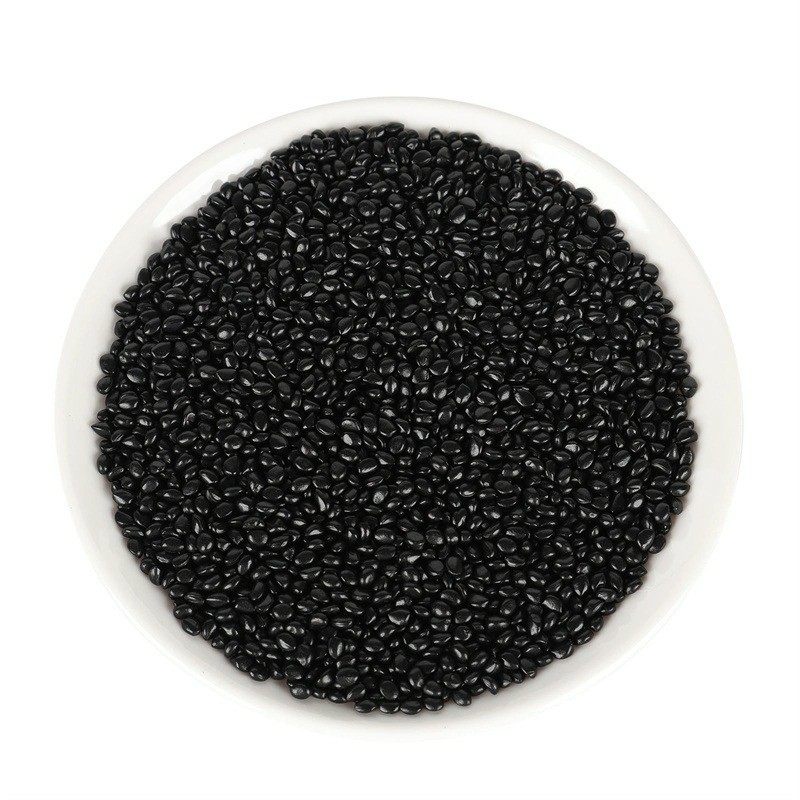
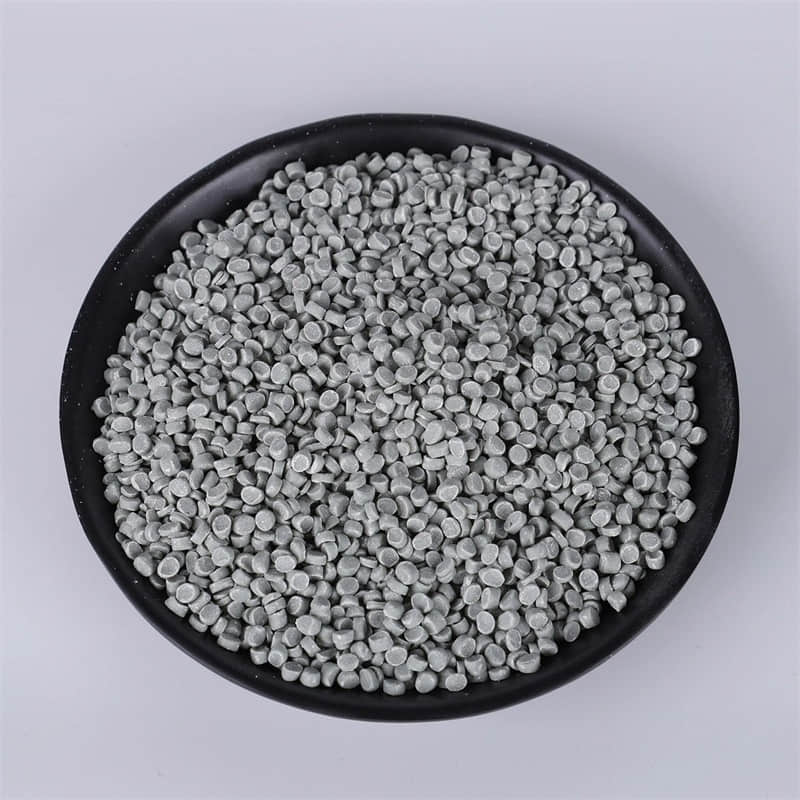
We specialize in the production and R&D of various functional masterbatches, including multi-functional slip masterbatches, PPA rheological masterbatches, composite non-ionic antistatic masterbatches, permanent antistatic masterbatches, anti-block masterbatches, black masterbatches, white masterbatches, color masterbatches, filler masterbatches, and defoaming masterbatches.
Our masterbatches have long served numerous modified processing industries, such as injection molding, pipe extrusion, blown film, wire drawing, whitening, dehumidification, flame retardancy, and antistatic treatment of plastic products like PE, PP, PC, PVC, ABS, and PET.
In addition, we have strong technical strength and professional production entities, with our own R&D center and testing center. We can provide professional solutions according to customer needs. Welcome to contact us now!