Xiong'an Xinyu Technology Co., Ltd.
FOCUSED ON TOP QUALITY MASTERBATCH PRODUCING
Blown Film Technology Complete Guide: From Polymer Mixing to Custom Solutions, Solving Adhesion with
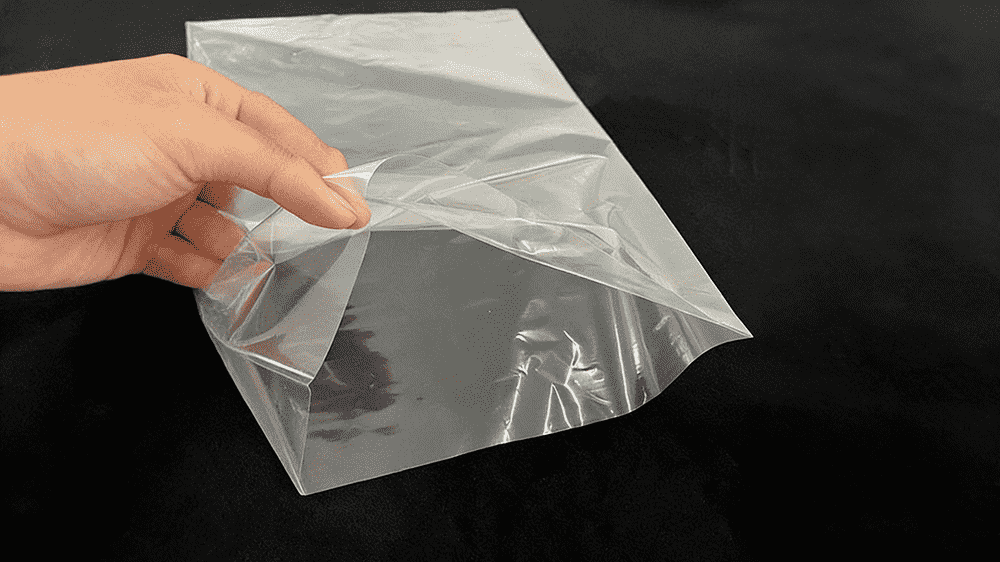
Did you know that many plastic products in daily life are made using blown film technology? Products like industrial cling film, packaging film, stretch film, and pallet film all fall under blown film plastic products. These products boast high ductility, strong toughness, excellent puncture resistance, and adjustable thickness. Additionally, zipper bag blown film machines are more suitable for diverse packaging needs such as food, accessories, and electronic consumables. If you want to customize blown film products or learn about plastic processing methods, this article will help you fully master this process!
What is Blown Film?
Blown film (also known as the blown film process) is a plastic processing technique. It involves heating and melting plastic pellets, then blowing them into thin films. The process typically starts with extruding the polymer to form a tubular film parison, which is then inflated to the desired thickness using high-pressure air, and finally cooled and set to become a thin film.
Characteristics of Blown Film Formation
Plastic films are common plastic products, usually manufactured via calendering, extrusion, or blow molding processes. The blown film process involves melting plastic raw materials in an extruder, extruding them into a thin tube, inflating the tube while it is still hot using compressed air, and finally cooling and setting it to form a film product. Films made via this blown film process have the following characteristics:
Mechanical Strength: After stretching and inflation, the film has higher mechanical properties, tensile strength, and toughness, making it less prone to breakage.
Cost Savings: No edge waste and minimal scrap, significantly reducing production costs.
Excellent Airtightness: Plastic products made via blown film can effectively block air, water vapor, and more.
Production Flexibility: Wide application range, few welds, and convenient subsequent processing (such as sealing or bag making).
Uniform Thickness: Precise control over film thickness; matching with high-quality plastic masterbatches can improve process stability.
Applications of Blown Film: From Industry to Daily Life
Industrial Sector The blown film process can produce various industrial pipes. Rigid pipes are often used for transporting liquids and gases, such as chemical pipes, drainage pipes, and cable protection pipes. Flexible hoses, due to their soft and bendable properties, are widely used in medical devices, cable sheathing, and other fields.
Transportation Protection The blown film process can also produce shipping packaging materials like bubble cushioning, logistics damage-proof bags, bubble wrap, and protective films. These plastic films or bags prevent items from being exposed or falling during transportation. Processed bubble cushioning and bubble wrap can tightly wrap goods, acting as a protective layer to reduce collision damage during transportation and ensure items arrive safely.
Medical Applications Blown film technology can produce medical supplies such as medical waste bags, collection bags, medicine bags, and disposable aprons. Thanks to their excellent barrier effect, plastic films and bags are often used to store hazardous waste and collected samples, preventing cross-infection while maintaining the cleanliness of invasive surgical supplies, ensuring the safety and hygiene of the medical environment.
Agricultural Sector Common blown film products include greenhouse films and mulch films. Greenhouse films are used to build greenhouses, regulating indoor temperature and humidity to promote better crop growth and increase yields. Mulch films prevent pests, suppress weeds, and reduce soil erosion, minimizing the use of fertilizers and herbicides, lowering labor and material costs, and improving harvests—making them an essential tool in organic farming!
Construction Sector Traditional building materials often lack sufficient thermal insulation, requiring energy-intensive air conditioning to maintain indoor comfort; approximately 60% of heat enters the room through thermal radiation. Plastic multi-layer film technology is a widely used transparent heat-insulating film technology on the market. Its transparent plastic structure can be divided into films and flat sheets, with common materials including PC, PE, and PET. This blown film technology can be applied to building windows, daylight canopies, curtains, etc.—it not only utilizes natural lighting to create a bright and comfortable indoor environment but also saves electricity for lighting and air conditioning, contributing significantly to energy conservation, carbon reduction, and mitigating global warming.
Food Packaging Blown film products are common in food packaging, such as heat-resistant bags, plastic cup sealing films, bread bags, and self-adhesive cookie bags, which are soft and have excellent sealing properties. For example, when pickling or storing food, using zipper bags reduces cleaning hassle—they are lighter than glass containers and save space, suitable for various solid and liquid foods, facilitating storage and portability and helping extend food shelf life.
Daily Household Use Daily household blown film products include zipper bags, garbage bags, disposable tablecloths, and disposable gloves, which greatly simplify cleaning tasks. Using these disposable blown film plastic products avoids direct hand contact with dirt or chemicals, making household chores easier and more efficient.
How Are Plastic Films Manufactured? Understanding the 5 Key Blown Film Processes
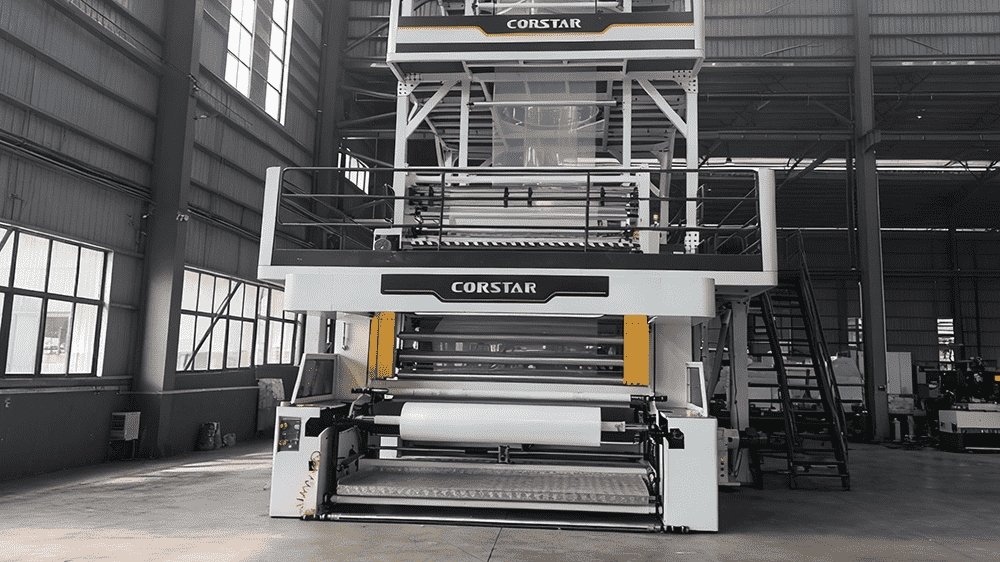
The manufacturing process of plastic films is similar to blowing bubbles. Blown film machines simulate the bubble-blowing process on a tower-type production line, but with plastic polymers instead of soapy water. The blown bubble is then pressed into an extremely thin film. The height of the tower structure can be adjusted as needed; once the film is formed, it is rolled up for easy distribution and transportation to end markets.
Process 1: Polymer Mixing The main raw materials for blown films include LDPE, HDPE, LLDPE, EVA, PVC, PP, PS, PA, etc. When plastic polymers enter the machine, they are first uniformly mixed with additives and fillers (such as calcium carbonate masterbatches, talc powder masterbatches) in a mixing bucket, then fed into the extruder. The extruder heats the raw materials to melt them and uniformly incorporate additives like antistatic agents, adhesives, and UV stabilizers.
Process 2: Tubular Bubble Formation After the polymer is completely melted and uniformly mixed with additives, it is discharged from the extruder and enters the next stage—the blown film die. The blown film die is located above the rear end of the extruder and has an annular design. When the molten polymer passes through the die, an air ring blows air into it, expanding the extruded material to form a tubular bubble, which then shapes the film structure.
Process 3: Bubble Stabilization A bubble stabilizer frame helps maintain the stability of the bubble after inflation; it is a frame structure that surrounds the bubble. Some blown film machines are equipped with an Internal Bubble Cooling (IBC) system, which accelerates the cooling process and rapidly converts the molten polymer from a liquid to a solid state. Once the blown film bubble reaches its optimal state, a clamping process is performed to ensure the quality and thickness uniformity of the finished product.
Process 4: Bubble Flattening into Film Take-off guides and pinch rollers at the top of the blown film machine guide the bubble to the pinch rollers, which press it into a flat film. High-quality blown film materials produced by professional blown film machines are suitable for various film packaging applications, with good barrier properties—effectively preserving freshness, preventing moisture and frost, blocking oxygen, and resisting oil, ensuring the quality and safety of packaged contents.
Process 5: Film Winding into Rolls In the final stage of the blown film process, the film enters a winder for collection. The winder consists of large rollers responsible for uniformly winding the film into rolls. To ensure film quality, the rotation speed of the winder must be synchronized with the pinch rollers to avoid unnecessary stretching or deformation. After winding, the film is organized into rolls, ready for transportation or subsequent processing.
Key to Improving Blown Film Product Quality: Slip Masterbatch
In the blown film process, slip masterbatch is a core additive for solving "film adhesion and poor surface performance." Its mechanism of action and advantages are as follows:
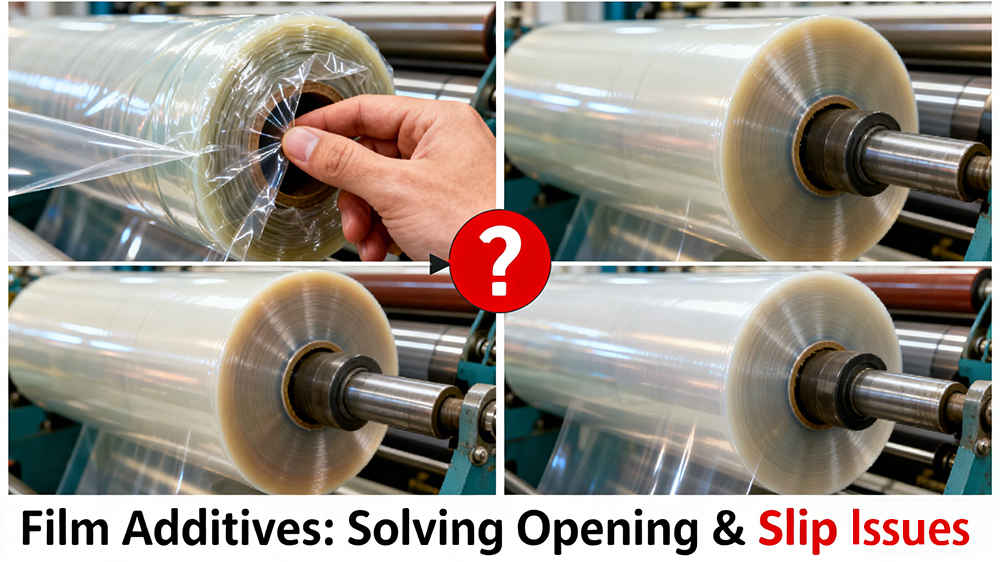
Reduce Surface Friction Coefficient to Solve "Adhesion Problems" PE/PP films have low surface tension, making them prone to interlayer adhesion during production winding or use (e.g., difficulty in unrolling after winding, film jamming in automatic packaging machines). The fatty acid amide-based lubricants (erucamide, oleamide) in slip masterbatch migrate to the film surface, forming an ultra-thin lubricating film. This reduces the surface friction coefficient from 0.5-0.8 to 0.2-0.4, ensuring smooth transportation of the film during slitting and packaging processes.
Enhance Film Appearance: Dual Optimization of Gloss and Flatness Slip masterbatch improves the fluidity of the melt, reducing die build-up during extrusion (avoiding "spots" on the film surface). At the same time, during cooling and setting, it promotes the orderly arrangement of molecular chains, reducing tiny surface irregularities—improving film gloss by 10%-20%, which is especially suitable for the appearance requirements of transparent food packaging films.
Improve Abrasion Resistance to Extend Film Service Life The lubricating film on the film surface not only reduces friction but also cushions external scratches (e.g., collisions during transportation, wind-induced friction on agricultural films), minimizing surface scratches. Experimental data shows that agricultural films with added slip masterbatch have an extended outdoor service life of 2-3 months.
No Impact on Basic Properties and Environmental Friendliness - **Low Addition Amount**: Only 0.1%-0.5% (based on the total amount of plastic masterbatches), with good compatibility with substrates such as PE and PP—no reduction in the film’s tensile strength, tear strength, or transparency. - **Compliance with Standards**: Compliant slip masterbatches (meeting FDA and EU 10/2011 standards) can be used in food-contact films, with no risk of harmful substance migration, meeting environmental and safety requirements.
Strong Versatility, Suitable for Multiple Substrates and Processes No formula or process parameter adjustments are required; it can be widely used with mainstream blown film substrates such as PE (LDPE/HDPE), PP, and PVC. Whether for single-layer films (e.g., packaging films) or multi-layer composite films (e.g., medical protective films), it can be directly added—reducing the cost of process adjustments for enterprises.
Conclusion
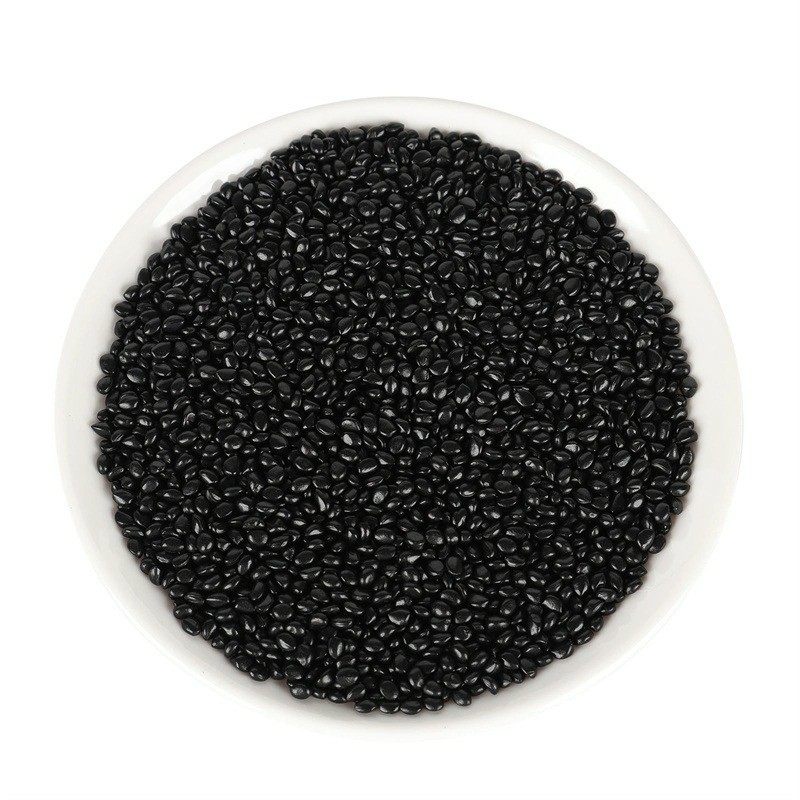
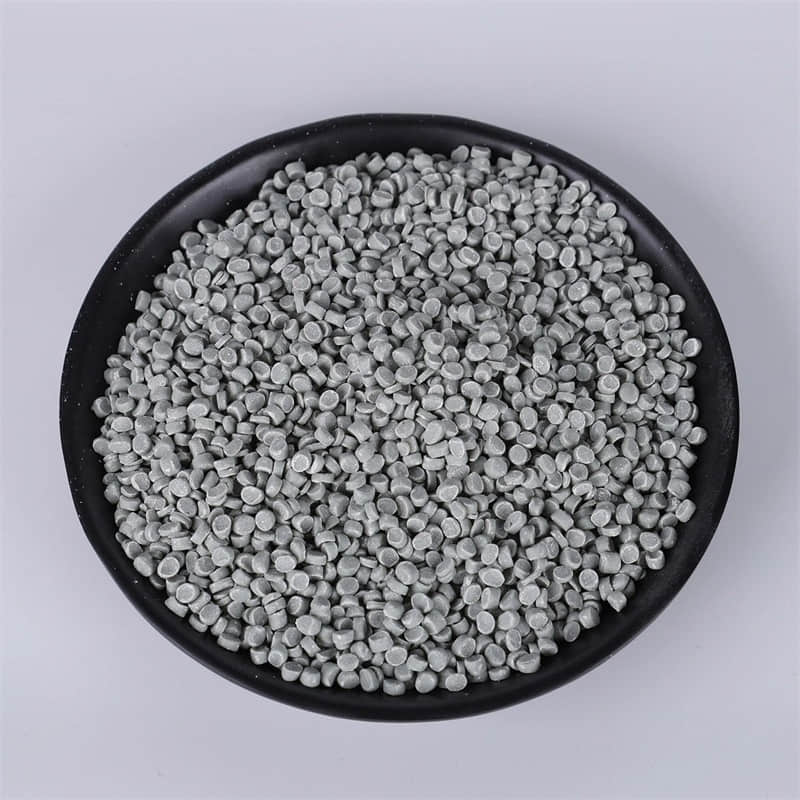
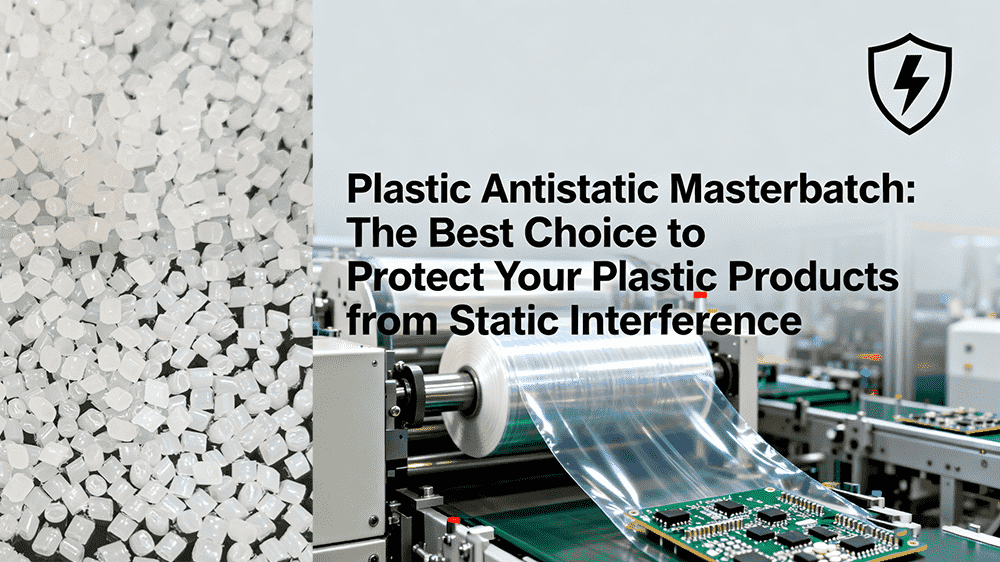
We specialize in the production and R&D of various functional masterbatches, including multi-functional slip masterbatches, PPA rheological masterbatches, composite non-ionic antistatic masterbatches, permanent antistatic masterbatches, anti-block masterbatches, black masterbatches, white masterbatches, color masterbatches, filler masterbatches, and defoaming masterbatches. Our masterbatches have long served numerous modified processing industries, such as injection molding, pipe extrusion, blown film, wire drawing, whitening, dehumidification, flame retardancy, and antistatic treatment of plastic products like PE, PP, PC, PVC, ABS, and PET. In addition, we have strong technical strength and professional production entities, with our own R&D center and testing center. We can provide professional solutions according to customer needs. Welcome to contact us now!